Turn your mistakes into a study plan
Two students can do the same practice and get completely different results. The difference is usually what they do with the questions they got wrong. Handled well, your mistakes become the most efficient study plan you can build.
Keep an error log
Every time you get something wrong, write it down in one place. Not the whole question, just enough to find the pattern later. A good entry has three parts: what the question tested, what you did, and the one reason it went wrong.
- Topic, e.g. "quadratic equations", "balancing chemical equations".
- Mistake type: a careless slip, a method you did not know, or a concept you misunderstood.
- The fix: the specific thing to do differently next time.
Topic: balancing redox half-equations
What I did: balanced the atoms but forgot to balance the charge with electrons
Mistake type: method I did not know (not a careless slip, so slowing down would not have caught it)
The fix: add electrons last, then check the total charge on both sides
Sort mistakes by type, not by subject
After a week or two, patterns appear. Careless slips need a different fix (slow down, check your work) than missing methods (learn and drill the method) or misunderstood concepts (go back and rebuild the idea from the ground up). Sorting your log by mistake type tells you where your time will actually pay off.
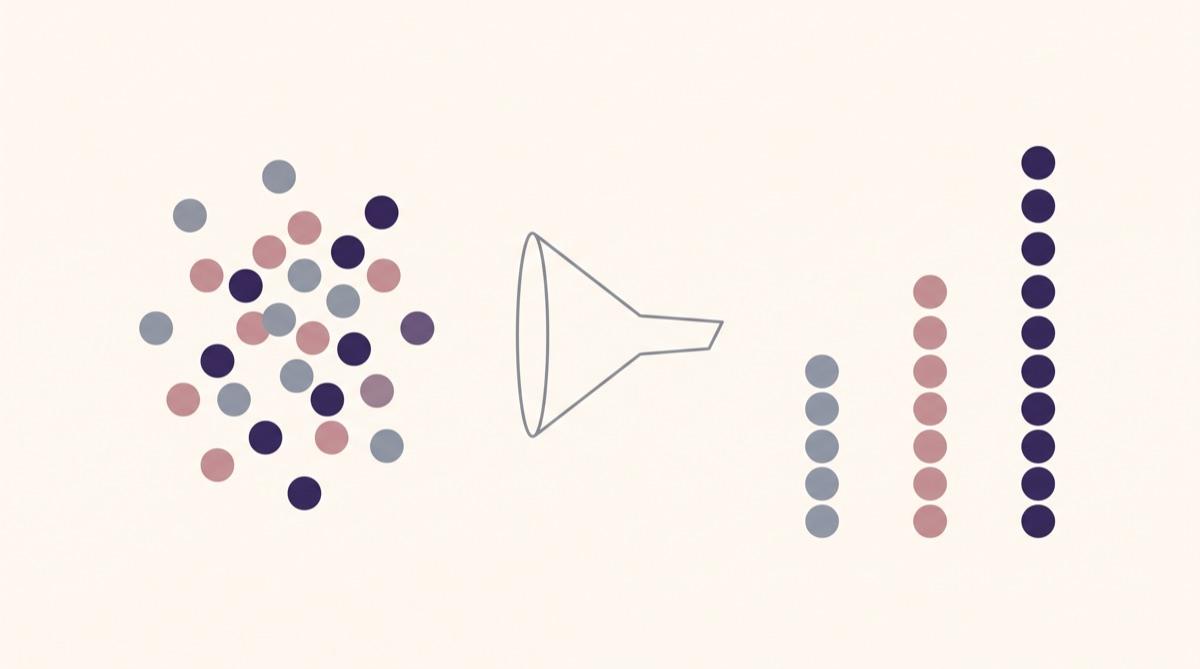
The same mistakes, sorted by type. The tallest stack is where your next study session should go.
Build the week around your weakest spots
Now plan backwards from your log. Give the most study time to the topic and mistake type costing you the most marks, not the one you find most comfortable. Re-attempt the exact questions you got wrong until you can do them from a blank page. That, not a fresh set, is the proof you have fixed it.
Then space it out: revisit those questions again a few days later (see active recall and spaced repetition). A mistake you can no longer make is a mark you have permanently banked.
How to study from a past exam paper
A past paper is the closest thing you have to the real exam, so it is wasted if you only read it. Here is how to work through one so it actually moves your grade.
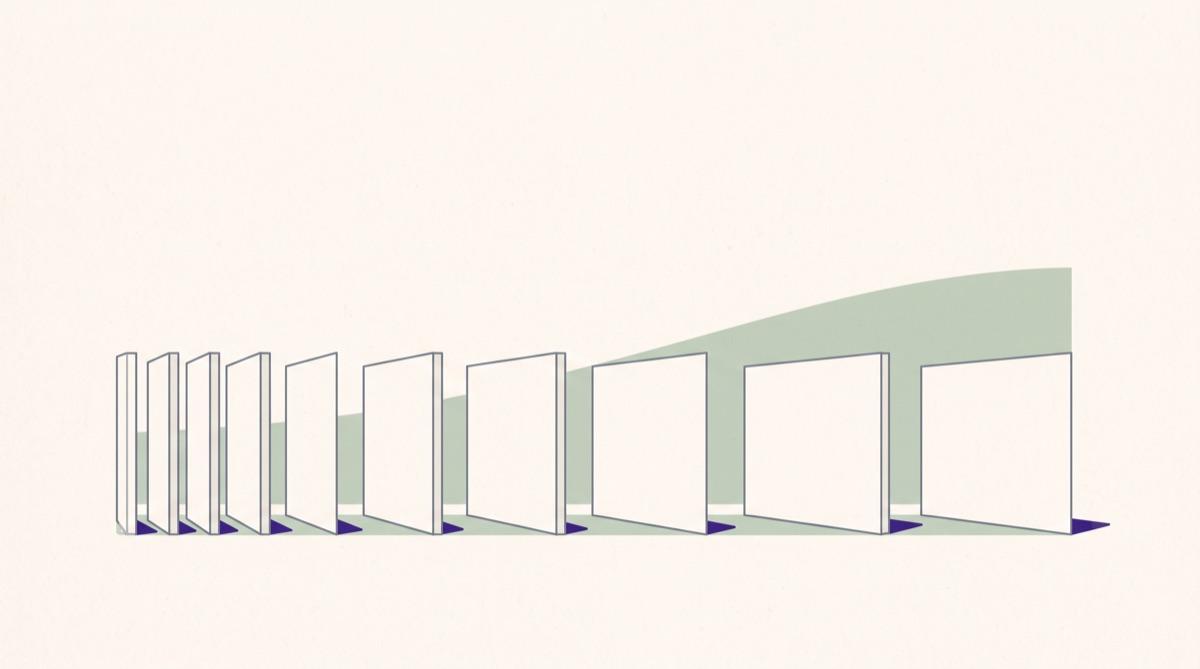
Active recall and spaced repetition, explained
Most students study by re-reading and highlighting, and most students are surprised by how little sticks. Two simple methods fix that. Neither costs money and both are backed by decades of research.